
Прогноз погоды на 5 дней Ниагара-Фолс 19-07-2026
Прогноз погоды Ниагара-Фолс завтра 19.07.2026: солнечно, температура от 15 °C до 24 °C.
Вероятность осадков 28%. Ветер до 6.31 м/с (порывы 9.64 м/с). Влажность воздуха 36–88%, атмосферное давление 757–761 мм рт. ст., УФ-индекс до 7.6.
Погодные предупреждения
скрыть предупрежденияAir Quality Alert issued July 18 at 5:25PM EDT by NWS Buffalo NY
Air Quality Alert
The New York State Department of Environmental Conservation at
Albany has issued an Air Quality Health Advisory for Fine
Particulates until midnight EDT Sunday night.
Air quality levels in outdoor air are predicted to be greater than
an Air Quality Index value of 125 for Fine Particulates. The Air
Quality Index...or AQI...was created as an easy way to correlate
levels of different pollutants to one scale. The higher the AQI
value...the greater the health concern.
When pollution levels are elevated...the New York State Department
of Health recommends that individuals consider limiting strenuous
outdoor physical activity to reduce the risk of adverse health
effects. People who may be especially sensitive to the effects of
elevated levels of pollutants include the very young and those with
pre-existing respiratory problems such as asthma or heart disease.
Those with symptoms should consider consulting their personal
physician.
For additional information, please visit the New York State
Department of Environmental Conservation website at,
https://on.ny.gov/nyaqi, or call the Air Quality Hotline at
1 800 5 3 5, 1 3 4 5.
orange warning - air quality - in effect
air quality
Smoke from wildfires in northwestern Ontario is causing very poor air quality and reduced visibility early this morning. Conditions are expected to improve for a few hours later this morning or afternoon. However poor air quality may return tonight.
During heavy smoke conditions, everyone's health is at risk regardless of their age and health status. Consider limiting time outdoors.
Coaches, sport officials and outdoor event and activity organizers should assess local air quality conditions and consider the level and type of activity involved, as well as the needs of participants and spectators into their planning decisions.
###
You may experience mild and common symptoms such as eye, nose and throat irritation, headaches or a mild cough. More serious but less common symptoms include wheezing, chest pains or severe cough. If you think you are having a medical emergency, seek immediate medical assistance.
People more likely to be impacted by wildfire smoke, including people aged 65 and older, pregnant people, infants and young children, people with an existing illness or chronic health condition, and people who work outdoors, should avoid strenuous activities outdoors and seek medical attention if experiencing symptoms.
For further information visit the website https://www.airqualityontario.com/ or contact the Ontario Ministry of the Environment, Conservation and Parks at 416-314-6666.
Visit http://www.airhealth.ca for information on how to reduce your health risk and your personal contribution to pollution levels, as well as for current and forecast AQHI values.
Please continue to monitor alerts and forecasts issued by Environment Canada.
When indoors, keep windows and doors closed as much as possible. When there is an extreme heat event occurring with poor air quality, prioritize keeping cool.
Protect your indoor air from wildfire smoke. Actions can include using the highest quality air filter that your ventilation system can handle and/or a certified portable air cleaner that can filter fine particles.
If you must spend time outdoors, limit the time as much as possible. A well-constructed, well-fitting and properly worn respirator type mask (such as a NIOSH-certified N95 or equivalent respirator) can reduce your exposure to the fine particles in the smoke. Even though exposure may be reduced, there can still be risks to health.
Check in on others who are in your care or live nearby who may be more likely to be impacted by wildfire smoke.
Always follow guidance from local authorities.
Learn more at https://www.canada.ca/wildfire-smoke.
orange warning - air quality - in effect
air quality
###
You may experience mild and common symptoms such as eye, nose and throat irritation, headaches or a mild cough. More serious but less common symptoms include wheezing, chest pains or severe cough. If you think you are having a medical emergency, seek immediate medical assistance.
People more likely to be impacted by wildfire smoke, including people aged 65 and older, pregnant people, infants and young children, people with an existing illness or chronic health condition, and people who work outdoors, should avoid strenuous activities outdoors and seek medical attention if experiencing symptoms.
For further information visit the website https://www.airqualityontario.com/ or contact the Ontario Ministry of the Environment, Conservation and Parks at 416-314-6666.
Visit http://www.airhealth.ca for information on how to reduce your health risk and your personal contribution to pollution levels, as well as for current and forecast AQHI values.
Please continue to monitor alerts and forecasts issued by Environment Canada.
When indoors, keep windows and doors closed as much as possible. When there is an extreme heat event occurring with poor air quality, prioritize keeping cool.
Protect your indoor air from wildfire smoke. Actions can include using the highest quality air filter that your ventilation system can handle and/or a certified portable air cleaner that can filter fine particles.
If you must spend time outdoors, limit the time as much as possible. A well-constructed, well-fitting and properly worn respirator type mask (such as a NIOSH-certified N95 or equivalent respirator) can reduce your exposure to the fine particles in the smoke. Even though exposure may be reduced, there can still be risks to health.
Check in on others who are in your care or live nearby who may be more likely to be impacted by wildfire smoke.
Always follow guidance from local authorities.
Learn more at https://www.canada.ca/wildfire-smoke.
yellow warning - air quality - in effect
air quality
Poor air quality and reduced visibility due to wildfires will improve gradually this morning.
After a break of a few hours this afternoon, poor air quality may return by this evening and persist into Sunday morning. A major improvement is expected on Sunday.
###
As smoke levels increase, health risks increase. Limit time outdoors. Consider reducing or rescheduling outdoor sports, activities and events.
You may experience mild and common symptoms such as eye, nose and throat irritation, headaches or a mild cough. More serious but less common symptoms include wheezing, chest pains or severe cough. If you think you are having a medical emergency, seek immediate medical assistance.
People more likely to be impacted by wildfire smoke, including people aged 65 and older, pregnant people, infants and young children, people with an existing illness or chronic health condition, and people who work outdoors, should reduce or reschedule strenuous activities outdoors and seek medical attention if experiencing symptoms.
For further information visit the website https://www.airqualityontario.com/ or contact the Ontario Ministry of the Environment, Conservation and Parks at 416-314-6666.
Visit http://www.airhealth.ca for information on how to reduce your health risk and your personal contribution to pollution levels, as well as for current and forecast AQHI values.
Please continue to monitor alerts and forecasts issued by Environment Canada.
When indoors, keep windows and doors closed as much as possible. When there is an extreme heat event occurring with poor air quality, prioritize keeping cool.
Protect your indoor air from wildfire smoke. Actions can include using the highest quality air filter that your ventilation system can handle and/or a certified portable air cleaner that can filter fine particles.
If you must spend time outdoors, a well-constructed, well-fitting and properly worn respirator type mask (such as a NIOSH-certified N95 or equivalent respirator) can reduce your exposure to the fine particles in the smoke. Even though exposure may be reduced, there can still be risks to health.
Check in on others who are in your care or live nearby who may be more likely to be impacted by wildfire smoke.
Always follow guidance from local authorities.
Learn more at https://www.canada.ca/wildfire-smoke.
yellow warning - air quality - in effect
air quality
###
As smoke levels increase, health risks increase. Limit time outdoors. Consider reducing or rescheduling outdoor sports, activities and events.
You may experience mild and common symptoms such as eye, nose and throat irritation, headaches or a mild cough. More serious but less common symptoms include wheezing, chest pains or severe cough. If you think you are having a medical emergency, seek immediate medical assistance.
People more likely to be impacted by wildfire smoke, including people aged 65 and older, pregnant people, infants and young children, people with an existing illness or chronic health condition, and people who work outdoors, should reduce or reschedule strenuous activities outdoors and seek medical attention if experiencing symptoms.
For further information visit the website https://www.airqualityontario.com/ or contact the Ontario Ministry of the Environment, Conservation and Parks at 416-314-6666.
Visit http://www.airhealth.ca for information on how to reduce your health risk and your personal contribution to pollution levels, as well as for current and forecast AQHI values.
Please continue to monitor alerts and forecasts issued by Environment Canada.
When indoors, keep windows and doors closed as much as possible. When there is an extreme heat event occurring with poor air quality, prioritize keeping cool.
Protect your indoor air from wildfire smoke. Actions can include using the highest quality air filter that your ventilation system can handle and/or a certified portable air cleaner that can filter fine particles.
If you must spend time outdoors, a well-constructed, well-fitting and properly worn respirator type mask (such as a NIOSH-certified N95 or equivalent respirator) can reduce your exposure to the fine particles in the smoke. Even though exposure may be reduced, there can still be risks to health.
Check in on others who are in your care or live nearby who may be more likely to be impacted by wildfire smoke.
Always follow guidance from local authorities.
Learn more at https://www.canada.ca/wildfire-smoke.
Восход 05:54
Заход 20:51
Заход 20:51
Первая четверть33% освещённости
Восход луны 12:02 · Заход луны 23:33
График
ТаблицаТемпература от 15 °C до 24 °C и осадки
Облачность и вероятность осадков
Скорость и направление ветра
Влажность воздуха
Атмосферное давление
Ультрафиолетовый индекс
Качество воздуха и пыльца
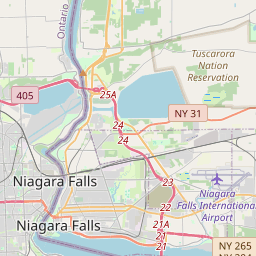
Ниагара-Фолс на карте
Источники данных и методология
Наши прогнозы погоды обеспечиваются профессиональным поставщиком метеорологических данных, который агрегирует данные от национальных метеослужб, спутниковых наблюдений, радарных сетей и более 80 000 метеостанций по всему миру. Данные прогнозов обновляются несколько раз в день. Мы преобразуем необработанные данные в понятные сводки — скорость ветра в м/с, давление в мм рт. ст. — чтобы вы могли уверенно планировать свой день.