Laika prognoze 5 dienām Toronto 17-07-2026
Laika prognoze Toronto piektdiena, 17. jūlijs 17.07.2026: mākoņains; brīžiem skaidrojas, temperatūra no 20 °C līdz 26 °C.
Nokrišņu varbūtība 17%. Vējš līdz 3.19 m/s (brāzmas 4.67 m/s). Gaisa mitrums 39–62%, atmosfēras spiediens 761–764 mm Hg, UV indekss līdz 5.1.
Laika brīdinājumi
Slēpt brīdinājumusyellow warning - air quality - in effect
air quality
Smoke is causing or expected to cause poor air quality and reduced visibility.
Smoke from forest fires in northwestern Ontario is causing poor air quality to much of southern Ontario. Poor air quality may persist into Thursday for some areas.
###
As smoke levels increase, health risks increase. Limit time outdoors. Consider reducing or rescheduling outdoor sports, activities and events.
You may experience mild and common symptoms such as eye, nose and throat irritation, headaches or a mild cough. More serious but less common symptoms include wheezing, chest pains or severe cough. If you think you are having a medical emergency, seek immediate medical assistance.
People more likely to be impacted by wildfire smoke, including people aged 65 and older, pregnant people, infants and young children, people with an existing illness or chronic health condition, and people who work outdoors, should reduce or reschedule strenuous activities outdoors and seek medical attention if experiencing symptoms.
For further information visit the website https://www.airqualityontario.com/ or contact the Ontario Ministry of the Environment, Conservation and Parks at 416-314-6666.
Visit http://www.airhealth.ca for information on how to reduce your health risk and your personal contribution to pollution levels, as well as for current and forecast AQHI values.
Please continue to monitor alerts and forecasts issued by Environment Canada.
When indoors, keep windows and doors closed as much as possible. When there is an extreme heat event occurring with poor air quality, prioritize keeping cool.
Protect your indoor air from wildfire smoke. Actions can include using the highest quality air filter that your ventilation system can handle and/or a certified portable air cleaner that can filter fine particles.
If you must spend time outdoors, a well-constructed, well-fitting and properly worn respirator type mask (such as a NIOSH-certified N95 or equivalent respirator) can reduce your exposure to the fine particles in the smoke. Even though exposure may be reduced, there can still be risks to health.
Check in on others who are in your care or live nearby who may be more likely to be impacted by wildfire smoke.
Always follow guidance from local authorities.
Learn more at https://www.canada.ca/wildfire-smoke.
orange warning - air quality - in effect
air quality
Smoke from wildfires in northwestern Ontario is causing very poor air quality and reduced visibility. Conditions may improve Friday morning.
###
During heavy smoke conditions, everyone’s health is at risk regardless of their age or health status.
Limit time outdoors. Reschedule or cancel outdoor sports, activities and events.
You may experience mild and common symptoms such as eye, nose and throat irritation, headaches or a mild cough. More serious but less common symptoms include wheezing, chest pains or severe cough. If you think you are having a medical emergency, seek immediate medical assistance.
People more likely to be impacted by wildfire smoke, including people aged 65 and older, pregnant people, infants and young children, people with an existing illness or chronic health condition, and people who work outdoors, should avoid strenuous activities outdoors and seek medical attention if experiencing symptoms.
For further information visit the website https://www.airqualityontario.com/ or contact the Ontario Ministry of the Environment, Conservation and Parks at 416-314-6666.
Visit http://www.airhealth.ca for information on how to reduce your health risk and your personal contribution to pollution levels, as well as for current and forecast AQHI values.
Please continue to monitor alerts and forecasts issued by Environment Canada.
When indoors, keep windows and doors closed as much as possible. When there is an extreme heat event occurring with poor air quality, prioritize keeping cool.
Protect your indoor air from wildfire smoke. Actions can include using the highest quality air filter that your ventilation system can handle and/or a certified portable air cleaner that can filter fine particles.
If you must spend time outdoors, limit the time as much as possible. A well-constructed, well-fitting and properly worn respirator type mask (such as a NIOSH-certified N95 or equivalent respirator) can reduce your exposure to the fine particles in the smoke. Even though exposure may be reduced, there can still be risks to health.
Check in on others who are in your care or live nearby who may be more likely to be impacted by wildfire smoke.
Always follow guidance from local authorities.
Learn more at https://www.canada.ca/wildfire-smoke.
orange warning - air quality - in effect
air quality
###
During heavy smoke conditions, everyone’s health is at risk regardless of their age or health status.
Limit time outdoors. Reschedule or cancel outdoor sports, activities and events.
You may experience mild and common symptoms such as eye, nose and throat irritation, headaches or a mild cough. More serious but less common symptoms include wheezing, chest pains or severe cough. If you think you are having a medical emergency, seek immediate medical assistance.
People more likely to be impacted by wildfire smoke, including people aged 65 and older, pregnant people, infants and young children, people with an existing illness or chronic health condition, and people who work outdoors, should avoid strenuous activities outdoors and seek medical attention if experiencing symptoms.
For further information visit the website https://www.airqualityontario.com/ or contact the Ontario Ministry of the Environment, Conservation and Parks at 416-314-6666.
Visit http://www.airhealth.ca for information on how to reduce your health risk and your personal contribution to pollution levels, as well as for current and forecast AQHI values.
Please continue to monitor alerts and forecasts issued by Environment Canada.
When indoors, keep windows and doors closed as much as possible. When there is an extreme heat event occurring with poor air quality, prioritize keeping cool.
Protect your indoor air from wildfire smoke. Actions can include using the highest quality air filter that your ventilation system can handle and/or a certified portable air cleaner that can filter fine particles.
If you must spend time outdoors, limit the time as much as possible. A well-constructed, well-fitting and properly worn respirator type mask (such as a NIOSH-certified N95 or equivalent respirator) can reduce your exposure to the fine particles in the smoke. Even though exposure may be reduced, there can still be risks to health.
Check in on others who are in your care or live nearby who may be more likely to be impacted by wildfire smoke.
Always follow guidance from local authorities.
Learn more at https://www.canada.ca/wildfire-smoke.
Lec 05:51
Riet 20:55
Riet 20:55
Augošs sirpis15% apgaismots
Mēness lec 09:31 · Mēness riet 22:51
Grafiks
Tabula
| Temperatūra | Nokrišņu varbūtība | Mākoņainība | Mitrums | Spiediens | Vēja | UV indekss | ||
|---|---|---|---|---|---|---|---|---|
| 00:00 | Skaidrs laiks | 23 °C | 3% | 10% | 55% | 762 mm Hg | ZR 326° 2.81 (4.67) m/s | 0 |
| 01:00 | Skaidrs laiks | 22 °C | 3% | 9% | 57% | 762 mm Hg | ZZR 342° 2.61 (4.17) m/s | 0 |
| 02:00 | Skaidrs laiks | 22 °C | 5% | 20% | 61% | 763 mm Hg | ZZR 346° 2.19 (3.44) m/s | 0 |
| 03:00 | Mākoņains; brīžiem skaidrojas | 21 °C | 7% | 49% | 60% | 763 mm Hg | Z 351° 1.61 (2.53) m/s | 0 |
| 04:00 | Mākoņains; brīžiem skaidrojas | 21 °C | 6% | 48% | 57% | 763 mm Hg | ZZA 16° 1.81 (2.83) m/s | 0 |
| 05:00 | Mākoņains; brīžiem skaidrojas | 20 °C | 5% | 45% | 54% | 764 mm Hg | ZA 50° 2.31 (3.83) m/s | 0 |
| 06:00 | Mākoņains; brīžiem skaidrojas | 20 °C | 4% | 31% | 50% | 764 mm Hg | ZA 55° 2.61 (4.25) m/s | 0 |
| 07:00 | Mākoņains; brīžiem skaidrojas | 21 °C | 5% | 47% | 49% | 764 mm Hg | AZA 59° 2.11 (3.08) m/s | 0.2 |
| 08:00 | Mākoņains; brīžiem skaidrojas | 22 °C | 5% | 49% | 50% | 764 mm Hg | AZA 78° 2.69 (3.47) m/s | 0.7 |
| 09:00 | Mākoņains; brīžiem skaidrojas | 22 °C | 4% | 34% | 49% | 764 mm Hg | A 94° 2.69 (3.33) m/s | 1.6 |
| 10:00 | Mākoņains; brīžiem skaidrojas | 23 °C | 4% | 50% | 44% | 764 mm Hg | A 98° 2.81 (3.22) m/s | 3 |
| 11:00 | Saulains laiks | 24 °C | 1% | 13% | 40% | 764 mm Hg | ADA 108° 2.81 (3.22) m/s | 5.1 |
| 12:00 | Saulains laiks | 26 °C | 2% | 23% | 39% | 764 mm Hg | ADA 109° 2.61 (3) m/s | 3.9 |
| 13:00 | Mākoņains; brīžiem skaidrojas | 24 °C | 2% | 25% | 44% | 764 mm Hg | ADA 122° 3.19 (3.92) m/s | 4.5 |
| 14:00 | Saulains laiks | 26 °C | 2% | 24% | 40% | 764 mm Hg | DA 130° 3 (3.44) m/s | 4 |
| 15:00 | Mākoņains; brīžiem skaidrojas | 26 °C | 3% | 33% | 40% | 763 mm Hg | ADA 123° 2.69 (3.11) m/s | 4 |
| 16:00 | Mākoņains; brīžiem skaidrojas | 26 °C | 3% | 38% | 42% | 762 mm Hg | DA 126° 2.5 (2.97) m/s | 3.2 |
| 17:00 | Mākoņains; brīžiem skaidrojas | 24 °C | 4% | 45% | 47% | 762 mm Hg | ADA 123° 3 (4.25) m/s | 1.9 |
| 18:00 | Mākoņains | 25 °C | 6% | 68% | 46% | 762 mm Hg | ADA 121° 2.31 (3.03) m/s | 0.8 |
| 19:00 | Mākoņains; brīžiem skaidrojas | 24 °C | 5% | 49% | 48% | 762 mm Hg | DA 143° 2.11 (2.97) m/s | 0.3 |
| 20:00 | Iespējams neliels lietus | 24 °C | 11% (0.01 mm/st) | 86% | 51% | 761 mm Hg | ADA 120° 1.69 (2.56) m/s | 0.1 |
| 21:00 | Iespējams neliels lietus | 23 °C | 12% (0.04 mm/st) | 75% | 56% | 761 mm Hg | A 93° 1.31 (2.19) m/s | 0 |
| 22:00 | Iespējams neliels lietus | 23 °C | 17% (0.07 mm/st) | 81% | 57% | 761 mm Hg | A 84° 1.61 (2.67) m/s | 0 |
| 23:00 | Iespējams neliels lietus | 22 °C | 10% (0.01 mm/st) | 70% | 62% | 761 mm Hg | AZA 64° 1.61 (2.78) m/s | 0 |
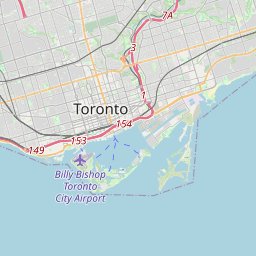
Toronto kartē
Datu avoti un metodoloģija
Mūsu laika prognozes tiek nodrošinātas ar profesionāla laika datu pakalpojumu sniedzēja palīdzību, kas apkopo datus no valsts meteoroloģiskajiem dienestiem, satelītu novērojumiem, radaru tīkliem un vairāk nekā 80 000 meteoroloģisko staciju visā pasaulē. Prognožu dati tiek atjaunināti vairākas reizes dienā. Mēs pārveidojam neapstrādātus datus skaidros kopsavilkumos — vēja ātrums m/s, spiediens mmHg — lai jūs varētu plānot savu dienu ar pārliecību.