5-Tage-Wettervorhersage Toronto 19-07-2026
Wettervorhersage Toronto Sonntag, 19. Juli 19.07.2026: sonnig, Temperatur von 17 °C bis 23 °C.
Niederschlagswahrscheinlichkeit 37%. Wind bis zu 8.39 m/s (Böen 11.08 m/s). Luftfeuchtigkeit 38–90%, Luftdruck 750–759 mm Hg, UV-Index bis 6.
Wetterwarnungen
Warnungen ausblendenyellow warning - air quality - in effect
air quality
Smoke is causing or expected to cause poor air quality and reduced visibility.
Smoke from forest fires in northwestern Ontario is causing poor air quality to much of southern Ontario. Poor air quality may persist into Thursday for some areas.
###
As smoke levels increase, health risks increase. Limit time outdoors. Consider reducing or rescheduling outdoor sports, activities and events.
You may experience mild and common symptoms such as eye, nose and throat irritation, headaches or a mild cough. More serious but less common symptoms include wheezing, chest pains or severe cough. If you think you are having a medical emergency, seek immediate medical assistance.
People more likely to be impacted by wildfire smoke, including people aged 65 and older, pregnant people, infants and young children, people with an existing illness or chronic health condition, and people who work outdoors, should reduce or reschedule strenuous activities outdoors and seek medical attention if experiencing symptoms.
For further information visit the website https://www.airqualityontario.com/ or contact the Ontario Ministry of the Environment, Conservation and Parks at 416-314-6666.
Visit http://www.airhealth.ca for information on how to reduce your health risk and your personal contribution to pollution levels, as well as for current and forecast AQHI values.
Please continue to monitor alerts and forecasts issued by Environment Canada.
When indoors, keep windows and doors closed as much as possible. When there is an extreme heat event occurring with poor air quality, prioritize keeping cool.
Protect your indoor air from wildfire smoke. Actions can include using the highest quality air filter that your ventilation system can handle and/or a certified portable air cleaner that can filter fine particles.
If you must spend time outdoors, a well-constructed, well-fitting and properly worn respirator type mask (such as a NIOSH-certified N95 or equivalent respirator) can reduce your exposure to the fine particles in the smoke. Even though exposure may be reduced, there can still be risks to health.
Check in on others who are in your care or live nearby who may be more likely to be impacted by wildfire smoke.
Always follow guidance from local authorities.
Learn more at https://www.canada.ca/wildfire-smoke.
orange warning - air quality - in effect
air quality
Smoke from wildfires in northwestern Ontario is causing very poor air quality and reduced visibility. Conditions may improve Friday morning.
###
During heavy smoke conditions, everyone’s health is at risk regardless of their age or health status.
Limit time outdoors. Reschedule or cancel outdoor sports, activities and events.
You may experience mild and common symptoms such as eye, nose and throat irritation, headaches or a mild cough. More serious but less common symptoms include wheezing, chest pains or severe cough. If you think you are having a medical emergency, seek immediate medical assistance.
People more likely to be impacted by wildfire smoke, including people aged 65 and older, pregnant people, infants and young children, people with an existing illness or chronic health condition, and people who work outdoors, should avoid strenuous activities outdoors and seek medical attention if experiencing symptoms.
For further information visit the website https://www.airqualityontario.com/ or contact the Ontario Ministry of the Environment, Conservation and Parks at 416-314-6666.
Visit http://www.airhealth.ca for information on how to reduce your health risk and your personal contribution to pollution levels, as well as for current and forecast AQHI values.
Please continue to monitor alerts and forecasts issued by Environment Canada.
When indoors, keep windows and doors closed as much as possible. When there is an extreme heat event occurring with poor air quality, prioritize keeping cool.
Protect your indoor air from wildfire smoke. Actions can include using the highest quality air filter that your ventilation system can handle and/or a certified portable air cleaner that can filter fine particles.
If you must spend time outdoors, limit the time as much as possible. A well-constructed, well-fitting and properly worn respirator type mask (such as a NIOSH-certified N95 or equivalent respirator) can reduce your exposure to the fine particles in the smoke. Even though exposure may be reduced, there can still be risks to health.
Check in on others who are in your care or live nearby who may be more likely to be impacted by wildfire smoke.
Always follow guidance from local authorities.
Learn more at https://www.canada.ca/wildfire-smoke.
orange warning - air quality - in effect
air quality
###
During heavy smoke conditions, everyone’s health is at risk regardless of their age or health status.
Limit time outdoors. Reschedule or cancel outdoor sports, activities and events.
You may experience mild and common symptoms such as eye, nose and throat irritation, headaches or a mild cough. More serious but less common symptoms include wheezing, chest pains or severe cough. If you think you are having a medical emergency, seek immediate medical assistance.
People more likely to be impacted by wildfire smoke, including people aged 65 and older, pregnant people, infants and young children, people with an existing illness or chronic health condition, and people who work outdoors, should avoid strenuous activities outdoors and seek medical attention if experiencing symptoms.
For further information visit the website https://www.airqualityontario.com/ or contact the Ontario Ministry of the Environment, Conservation and Parks at 416-314-6666.
Visit http://www.airhealth.ca for information on how to reduce your health risk and your personal contribution to pollution levels, as well as for current and forecast AQHI values.
Please continue to monitor alerts and forecasts issued by Environment Canada.
When indoors, keep windows and doors closed as much as possible. When there is an extreme heat event occurring with poor air quality, prioritize keeping cool.
Protect your indoor air from wildfire smoke. Actions can include using the highest quality air filter that your ventilation system can handle and/or a certified portable air cleaner that can filter fine particles.
If you must spend time outdoors, limit the time as much as possible. A well-constructed, well-fitting and properly worn respirator type mask (such as a NIOSH-certified N95 or equivalent respirator) can reduce your exposure to the fine particles in the smoke. Even though exposure may be reduced, there can still be risks to health.
Check in on others who are in your care or live nearby who may be more likely to be impacted by wildfire smoke.
Always follow guidance from local authorities.
Learn more at https://www.canada.ca/wildfire-smoke.
Sonnenaufgang 05:53
Sonnenuntergang 20:54
Erstes Viertel33% beleuchtet
Mondaufgang 12:04 · Monduntergang 23:33
Diagramm
Tabelle
So., 19. Juli 2026
| Temperatur | Regenwahrscheinlichkeit | Bewölkung | Feuchtigkeit | Druck | Wind | UV-Index | ||
|---|---|---|---|---|---|---|---|---|
| 00:00 | Stellenweise Regen möglich | 21 °C | 37% (0.08 mm/Std.) | 100% | 90% | 750 mm Hg | WNW 300° 7.39 (10.75) m/s | 0 |
| 01:00 | Stellenweise Regen möglich | 20 °C | 30% (0.03 mm/Std.) | 100% | 87% | 751 mm Hg | NW 317° 8.11 (11.08) m/s | 0 |
| 02:00 | Bedeckt | 18 °C | 22% | 90% | 80% | 752 mm Hg | NNW 337° 8.39 (10.94) m/s | 0 |
| 03:00 | Bedeckt | 17 °C | 19% | 89% | 76% | 753 mm Hg | NNW 346° 8.11 (10.47) m/s | 0 |
| 04:00 | Bedeckt | 17 °C | 21% | 98% | 76% | 754 mm Hg | NNW 346° 7.5 (9.72) m/s | 0 |
| 05:00 | Bedeckt | 17 °C | 18% | 90% | 73% | 755 mm Hg | NNW 348° 7.31 (9.58) m/s | 0 |
| 06:00 | Bewölkt | 17 °C | 15% | 78% | 70% | 755 mm Hg | NNW 344° 6.69 (9.03) m/s | 0 |
| 07:00 | Sonnig | 17 °C | 5% | 0% | 68% | 757 mm Hg | NNW 339° 5.61 (7.53) m/s | 0.1 |
| 08:00 | Sonnig | 17 °C | 4% | 0% | 65% | 758 mm Hg | NNW 337° 5.81 (7.39) m/s | 0.7 |
| 09:00 | Sonnig | 18 °C | 3% | 0% | 59% | 758 mm Hg | NNW 338° 5.81 (6.97) m/s | 5 |
| 10:00 | Sonnig | 19 °C | 2% | 4% | 52% | 758 mm Hg | NNW 335° 5.69 (6.67) m/s | 5 |
| 11:00 | Sonnig | 20 °C | 1% | 0% | 47% | 758 mm Hg | NNW 332° 5.89 (6.78) m/s | 6 |
| 12:00 | Sonnig | 22 °C | 1% | 0% | 41% | 758 mm Hg | NNW 331° 5.69 (6.56) m/s | 6 |
| 13:00 | Sonnig | 23 °C | 1% | 0% | 38% | 758 mm Hg | NNW 327° 5.39 (6.22) m/s | 6 |
| 14:00 | Sonnig | 23 °C | 1% | 0% | 38% | 758 mm Hg | NNW 328° 5.69 (6.56) m/s | 6 |
| 15:00 | Sonnig | 23 °C | 1% | 0% | 38% | 758 mm Hg | NNW 329° 5.69 (6.56) m/s | 6 |
| 16:00 | Sonnig | 23 °C | 1% | 0% | 39% | 758 mm Hg | NNW 334° 5.5 (6.33) m/s | 6 |
| 17:00 | Sonnig | 23 °C | 1% | 0% | 40% | 758 mm Hg | NNW 332° 5.5 (6.58) m/s | 6 |
| 18:00 | Sonnig | 22 °C | 1% | 0% | 42% | 758 mm Hg | NNW 332° 5.19 (6.72) m/s | 6 |
| 19:00 | Sonnig | 22 °C | 1% | 4% | 45% | 758 mm Hg | NNW 333° 4.39 (5.97) m/s | 6 |
| 20:00 | Sonnig | 20 °C | 2% | 4% | 47% | 758 mm Hg | NNW 330° 4 (6) m/s | 6 |
| 21:00 | Klar | 19 °C | 2% | 5% | 51% | 759 mm Hg | NW 323° 3 (5.11) m/s | 0 |
| 22:00 | Klar | 18 °C | 3% | 8% | 55% | 759 mm Hg | NW 317° 2.81 (5.03) m/s | 0 |
| 23:00 | Klar | 17 °C | 3% | 2% | 56% | 759 mm Hg | NW 316° 2.81 (5.11) m/s | 0 |
So., 19. Juli 2026
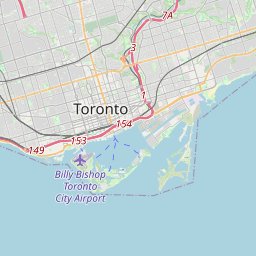
Toronto auf der Karte
Datenquellen & Methodik
Unsere Wettervorhersagen werden von einem professionellen Wetterdatenanbieter bereitgestellt, der Daten von nationalen Wetterdiensten, Satellitenbeobachtungen, Radarnetzwerken und über 80.000 Wetterstationen weltweit zusammenführt. Die Vorhersagedaten werden mehrmals täglich aktualisiert. Wir wandeln Rohdaten in übersichtliche Zusammenfassungen um – Windgeschwindigkeit in m/s, Luftdruck in mmHg – damit Sie Ihren Tag mit Zuversicht planen können.